- contact@digimenial.com
- Noida. UP

Why Your Google Ads Are Wasting Budget (And How to Fix It in 2026)
17
May
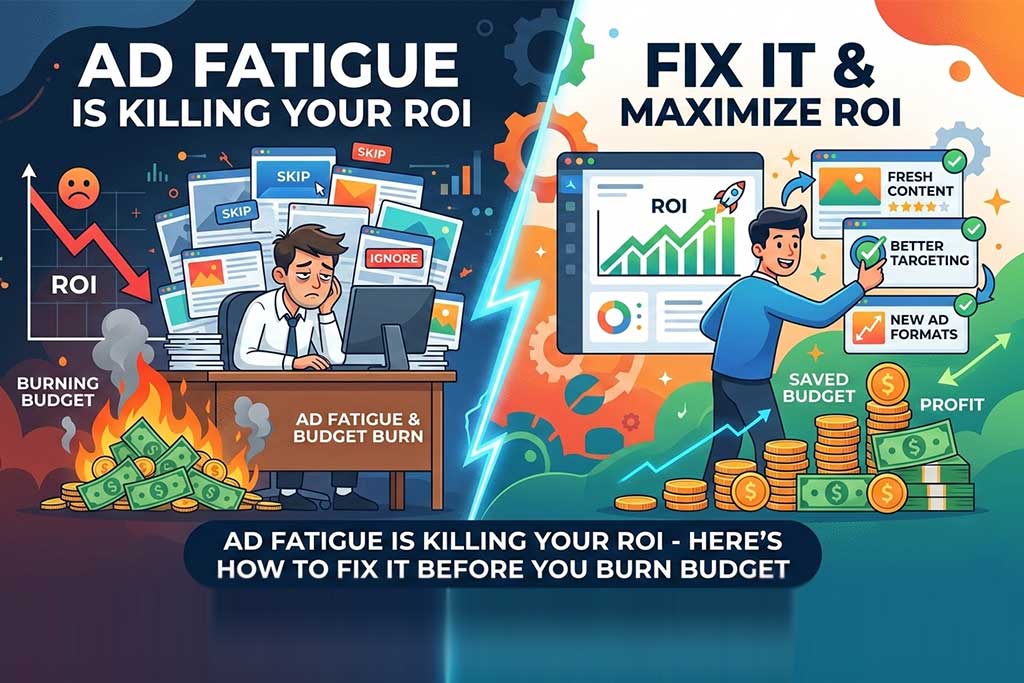
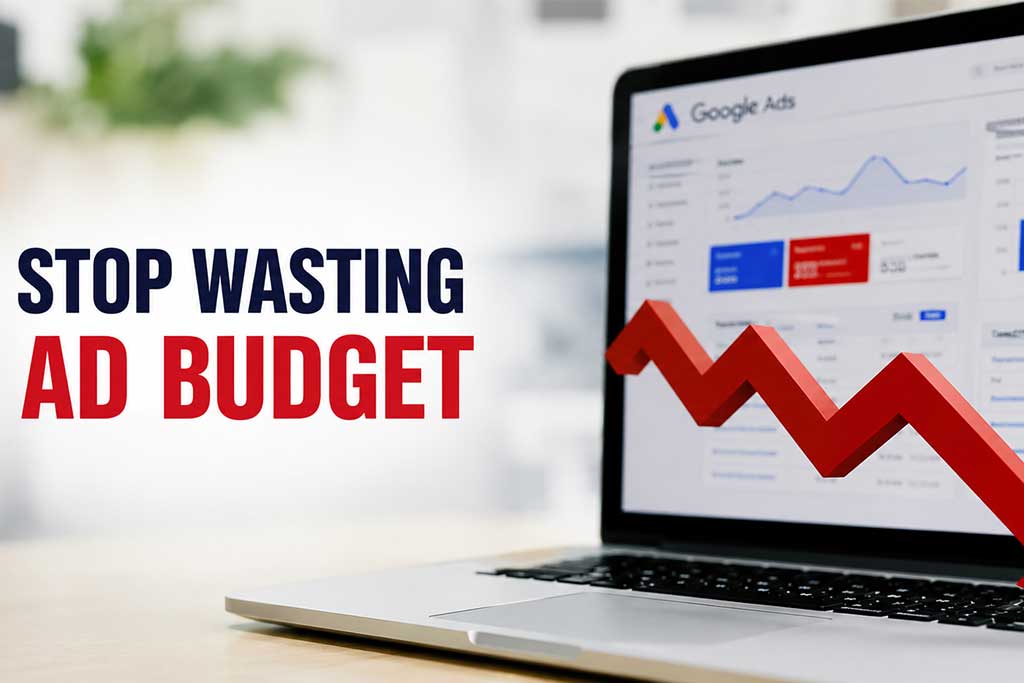
Running Google Ads but not getting enough leads or sales? You’re not alone. Many businesses spend thousands on ads every month but still struggle with poor ROI, low-quality leads, or high cost-per-clicks.
The truth is, Google Ads in 2026 is more competitive than ever. Simply boosting budgets won’t solve the problem. You need smarter strategy, better targeting, and continuous optimization.
Let’s understand where businesses usually waste ad budget—and how you can fix it before it drains your marketing spend.
Why Businesses Waste Money on Google Ads
Google Ads can generate fast traffic, but without proper setup, it can also burn money quickly.
Some common reasons include:
- – Wrong keyword targeting
- – Poor landing pages
- – Broad audience targeting
- – No conversion tracking
- – Ignoring campaign optimization
👉: Most businesses don’t lose money because Google Ads doesn’t work. They lose money because campaigns are poorly managed.
But customers? Not so much.
How Broad Keywords Drain Your Budget
One of the biggest mistakes is targeting broad, generic keywords.
For example:
- – “Shoes” instead of “buy sports shoes in Delhi”
- – “Digital marketing” instead of “digital marketing agency for small businesses”
Broad keywords attract irrelevant clicks, increasing ad spend without conversions.
How to Fix It
Use:
- – Long-tail keywords
- – Location-based keywords
- – Buyer-intent keywords
👉: Focus on what customers actually search when they’re ready to buy.
Why Ignoring Negative Keywords Costs You Money
Negative keywords stop your ads from showing for irrelevant searches.
Without them, your ads may appear for:
- – Free services
- – Jobs and careers
- – Tutorials or DIY searches
This wastes clicks from users who never intended to buy.
How to Fix It
Add negative keywords regularly like:
- – Free
- – Jobs
- – Training
- – Course
- – Cheap
👉: Negative keywords improve ad relevance and reduce wasted spend.
How Poor Landing Pages Kill Conversions
Many businesses focus only on ads and ignore where users land.
Even a great ad cannot convert if the landing page is:
- – Slow
- – Confusing
- – Not mobile-friendly
- – Missing CTA
According to Google research, even a 1-second delay in page speed can reduce conversions significantly.
How to Fix It
Your landing page should have:
- – Clear headline
- – Fast loading speed
- – Strong CTA
- – Trust signals & testimonials
👉: Ads bring traffic. Landing pages generate conversions.
Why You Should Never Run Ads Without Conversion Tracking
Running ads without tracking is like driving blindfolded.
Many businesses don’t know:
- – Which keyword converts
- – Which ad performs best
- – Which audience generates sales
As a result, they keep spending on underperforming campaigns.
How to Fix It
Set up:
- – Google Analytics 4
- – Google Tag Manager
- – Conversion tracking
- – Call tracking
👉: Data-driven campaigns always perform better.
How Wrong Audience Targeting Wastes Ad Spend
Showing ads to the wrong audience increases clicks but decreases sales.
Common mistakes include:
- – Targeting too large an area
- – Wrong demographics
- – No audience segmentation
How to Fix It
Use:
- – Custom audience targeting
- – Remarketing campaigns
- – Interest-based segmentation
👉: Better targeting = better ROI.
Why Ignoring Mobile Users Hurts Performance
More than 60% of Google searches now happen on mobile devices.
If your ads or landing pages aren’t mobile-optimized, users leave instantly.
How to Fix It
Ensure:
- – Mobile-friendly landing pages
- – Click-to-call buttons
- – Fast mobile speed
👉: Mobile experience directly impacts conversions.
How Smart Bidding Can Either Help or Hurt
Google’s AI-powered bidding strategies are useful—but only when properly configured.
Many businesses blindly use automated bidding without enough conversion data.
How to Fix It
Choose bidding based on goals:
- – Maximize conversions
- – Target CPA
- – ROAS optimization
👉: Automation works best with proper strategy and data.
Why Weak Ad Copy Reduces Results
Your ad copy decides whether users click or ignore your ad.
Weak ads usually:
- – Sound generic
- – Lack urgency
- – Don’t mention benefits
How to Fix It
Write ads that include:
- – Customer pain points
- – Clear benefits
- – Strong CTA
- – Trust-building language
👉: Good copy improves CTR and lowers CPC.
How Ignoring Remarketing Leaves Money on the Table
Most users don’t convert on the first visit.
Without remarketing, you lose potential customers who were already interested.
How to Fix It
Run remarketing ads for:
- – Website visitors
- – Cart abandoners
- – Previous leads
👉: Remarketing often delivers some of the highest ROI in Google Ads.
Why Businesses Fail Without Regular Optimization
Google Ads is not “set and forget.”
Competitors, search behavior, and CPCs change constantly.
Campaigns need:
- – Weekly monitoring
- – Bid adjustments
- – Ad testing
- – Keyword optimization
👉: Continuous optimization keeps campaigns profitable.
Google Ads Statistics Businesses Should Know in 2026
Here are some important trends:
- – Businesses earn an average of ₹160–₹200 for every ₹80 spent on Google Ads
- – Search ads can increase brand awareness by up to 80%
- – High-performing landing pages improve conversion rates by over 30%
👉: Smart optimization directly impacts profitability.
Case Study: How DigiMenial Reduced Wasted Ad Spend
A local home service business approached DigiMenial after struggling with expensive leads.
Problems They Faced
- – High CPC
- – Low-quality leads
- – Poor conversion tracking
What DigiMenial Did
- – Added negative keywords
- – Improved landing page speed
- – Created location-specific campaigns
- – Set up proper conversion tracking
- – Optimized ad copy
Results Within 3 Months
- – 42% reduction in cost per lead
- – 3X increase in qualified leads
- – Better conversion tracking accuracy
- – Improved ROI from Google Ads
👉: Small strategic changes created massive improvements.
Common Google Ads Mistakes to Avoid in 2026
Avoid these common errors:
- – Increasing budget without optimization
- – Targeting broad keywords
- – Ignoring mobile users
- – Not testing ad creatives
- – Running ads without tracking
👉: More budget doesn’t fix broken campaigns.
How to Make Your Google Ads Profitable
Here’s a simple framework:
Step 1: Focus on Intent
Target users ready to buy.
Step 2: Optimize Landing Pages
Improve speed and clarity.
Step 3: Track Everything
Use analytics and conversion tracking.
Step 4: Retarget Visitors
Bring back interested users.
Step 5: Test & Improve
Continuously optimize campaigns.
👉: Google Ads success comes from strategy, not luck.
Final Thought:
Google Ads can become one of the best lead-generation channels for your business—but only when managed correctly.
In 2026, businesses that focus on smart targeting, data-driven decisions, and continuous optimization will outperform competitors while spending less.
If your ads are wasting budget, the solution is not always spending more. Sometimes, it’s fixing what’s already broken.
Grow Your Business with DigiMenial Google Ads Experts
At DigiMenial, we help businesses:
- – Reduce wasted ad spend
- – Generate high-quality leads
- – Improve ROI/ROAS with smart PPC strategies
- – Build conversion-focused campaigns
👉: Let’s make your Google Ads profitable in 2026